
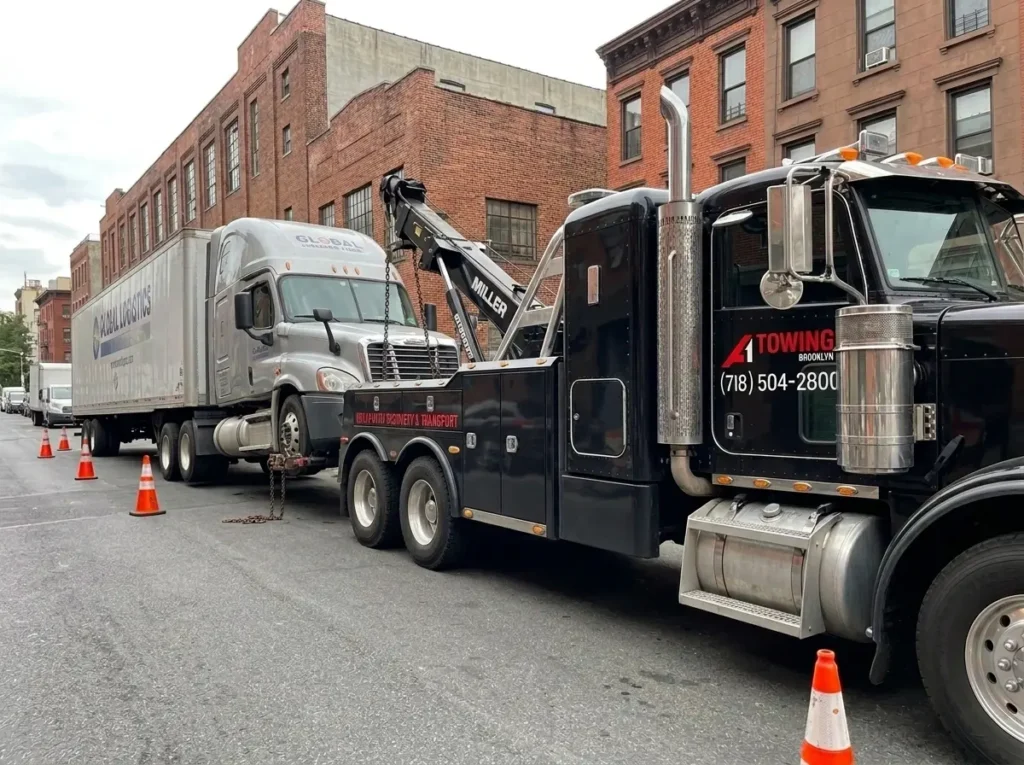
Heavy-duty towing in Brooklyn becomes important at the exact moment when a large vehicle stops working and cannot move on its own. Unlike a regular car breakdown, these situations involve massive vehicles like semi-trucks, RVs, buses, or construction equipment. When one of these vehicles fails, especially on a busy highway or in an industrial zone, it can block traffic, delay deliveries, and create serious safety risks within minutes.
In a city like Brooklyn, where commercial transport, logistics routes, and highway systems stay active all day, heavy-duty towing is not just a service. It is part of the infrastructure that keeps movement, business, and road safety functioning smoothly.
This guide explains what heavy-duty towing is, how it works, what vehicles need it, and how pricing and safety are managed in real-world operations.
What Is Heavy-Duty Towing?
Heavy-duty towing is the specialized recovery and transportation of large, heavy, or oversized vehicles that exceed the capacity of standard tow trucks.
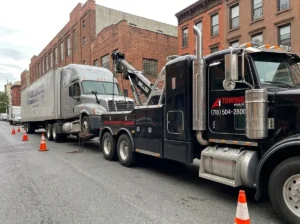
It involves the use of high-capacity recovery equipment such as rotator tow trucks, heavy wreckers, hydraulic winches, and lowboy trailers to safely move vehicles that can weigh several tons.
In simple terms, heavy-duty towing is not just towing; it is controlled industrial vehicle recovery designed for safety, stability, and transport efficiency.
Unlike standard towing, it requires advanced equipment and trained operators because the vehicles involved are significantly heavier and more complex to handle.
Heavy-Duty Towing vs Standard Towing
The biggest difference between standard and heavy-duty towing is not just size, it is complexity.
Standard towing usually handles:
- Cars
- Motorcycles
- Small SUVs
Heavy-duty towing deals with:
- Multi-axle commercial trucks
- Fully loaded trailers
- Large buses and RVs
- Construction machinery
Heavy-duty recovery requires stronger lifting systems, better load control, and precise balancing techniques. A small mistake can damage the vehicle or create a road hazard, which is why trained operators and specialized equipment are essential.
What Vehicles Need Heavy-Duty Towing?
Heavy-duty towing supports multiple industries and vehicle categories. These vehicles are either too large, too heavy, or too complex for standard towing methods.
Common categories include:
- Commercial trucks such as semi-trailers and freight carriers
- RVs and motorhomes with extended length and fragile structure
- Construction equipment like excavators, bulldozers, and cranes
- Public service vehicles such as buses and utility trucks
Each category requires a different recovery approach depending on weight distribution, mechanical condition, and road situation.
After a breakdown or accident, these vehicles cannot be safely moved without specialized towing systems.
How Heavy-Duty Towing Works
Heavy-duty towing is a structured operation, not a simple hook-and-pull process. Each step is designed to ensure safety and prevent further damage.
Scene Assessment
Operators first evaluate:
- Vehicle size and weight
- Accident severity or breakdown type
- Road conditions and traffic flow
- Potential hazards like fuel leaks or fire risk
Equipment Selection and Dispatch
Based on the situation, specialized equipment is deployed, such as:
- Rotator tow trucks for complex recoveries
- Heavy wreckers for direct towing
- Lowboy trailers for long-distance transport
Vehicle Stabilization
Before moving the vehicle, it is secured using chains, hydraulic locks, wheel lifts, and stabilization systems to prevent shifting.
Recovery or Loading
The vehicle is carefully:
- Winched onto a tow truck
- Rotated upright if overturned
- Lifted and loaded onto a trailer
Transport to Destination
Finally, the vehicle is moved to:
- Repair facilities
- Fleet depots
- Storage yards or service centers
Each step requires precision because even small instability can lead to damage or safety risks.
When Do You Need Heavy-Duty Towing?
Heavy-duty towing is required when a vehicle is too large or damaged for standard recovery methods.
Common situations include:
- Semi-truck breakdowns on highways
- RV engine failure during travel
- Truck rollovers or accident scenes
- Construction vehicle immobilization
- Multiple-vehicle collisions involving large units
In these situations, attempting to move the vehicle without professional equipment can increase damage and create additional safety hazards.
Heavy-Duty Towing in Brooklyn: Why It’s Critical
Urban environments like Brooklyn create unique challenges for heavy-duty towing. Narrow roads, dense traffic, and busy highway systems such as the BQE and I-278 make recovery operations more complex.
When a large commercial vehicle breaks down in these conditions, it can:
- Block multiple lanes
- Disrupt logistics and deliveries
- Create traffic congestion
- Increase accident risk for other drivers
This is why fast-response heavy-duty towing is essential in urban zones. The goal is not only to move the vehicle but also to restore traffic flow and reduce disruption as quickly as possible.
Cost Factors in Heavy-Duty Towing
The cost of heavy-duty towing depends on multiple operational factors. Every recovery situation is different, so pricing is calculated based on effort, equipment, and time required.
Key pricing factors include:
- Size and weight of the vehicle
Heavier vehicles require stronger equipment and more manpower.
- Distance of transport
Local towing costs less than long-distance or interstate recovery.
- Complexity of recovery
Rollovers, ditch recoveries, or accident scenes require advanced equipment and more time.
- Time of service
Emergency or nighttime services often cost more due to urgent dispatch needs.
- Road conditions and accessibility
Tight urban areas or heavy traffic zones increase operational difficulty.
In general, the more complex the recovery, the higher the cost due to increased equipment usage and labor involvement.
Safety Standards in Heavy-Duty Towing
Safety is the most important part of heavy-duty towing because operations often take place in high-risk environments.
Key safety practices include:
- DOT compliance for commercial transport regulations
- Controlled lifting and balancing during recovery
- Proper load securement using industrial-grade chains and locks
- Road hazard management to prevent secondary accidents
These measures ensure that vehicles are recovered safely without endangering drivers, operators, or surrounding traffic.
Why Professional Heavy-Duty Towing Matters
Attempting to move a large vehicle without professional help can lead to:
- Structural damage
- Tire or axle failure
- Increased repair costs
- Serious road safety risks
Professional towing services ensure that the recovery process is controlled, safe, and efficient. This reduces downtime and prevents additional complications.
Also read: What to Do When Your Car Breaks Down in Brooklyn
What to Do During a Heavy Vehicle Breakdown
If a commercial truck, RV, or large vehicle breaks down, the right response can prevent further damage.
- Move the vehicle to a safe area if possible
- Turn on hazard lights immediately
- Avoid standing near traffic lanes
- Do not attempt repairs in unsafe conditions
- Contact a professional towing service
- Provide exact location and vehicle details
Quick action helps reduce risk and speeds up recovery.
Tips to Choose the Right Heavy-Duty Towing Company
Not every towing provider is equipped for heavy-duty recovery. A reliable company should offer:
- 24/7 emergency availability
- Specialized heavy recovery equipment
- Licensed and insured operators
- Experience with commercial and industrial vehicles
- Fast response in urban and highway environments
Choosing the right team ensures both safety and efficiency during emergencies.
Need Fast Heavy-Duty Towing in Brooklyn?
When large vehicles break down, fast action makes all the difference.
A1 Towing Brooklyn provides reliable, 24/7 heavy-duty towing services, including commercial truck recovery, RV towing, accident clearance, and fast response across Brooklyn highways and industrial zones.